Camera Operator
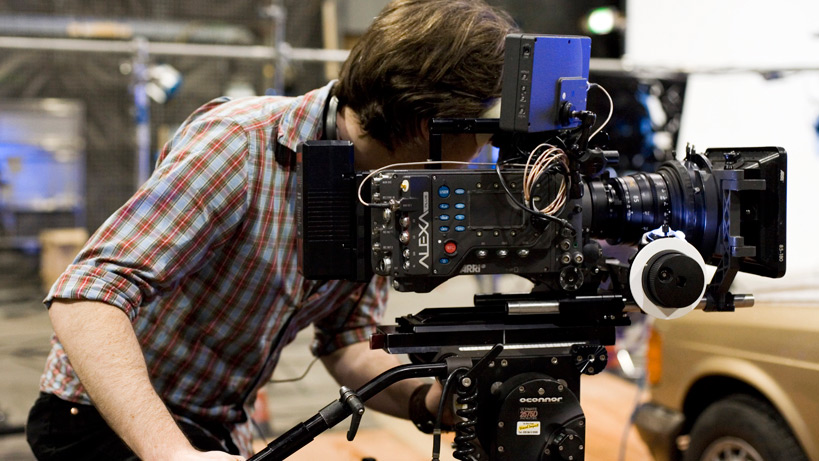 Three key duties that a camera operator would have to do would be: to have a good working knowledge of all camera systems, lenses & supporting equipment, as employee are typically on fixed term contracts and will constantly move around working for various institutions, each time the camera operator may work with different camera brands/models. Thus needing a widespread knowledge of all different types to carry out their job expertly. The second duty of course would be to wield the camera with perfection, anyone can pick up and hold a camera, but this job entails more experience and a more fluid motion with the camera. Lastly the third duty would be to work well collaboratively, of course as a camera operator they are a part of a team, working with other operators, the director etc. As an operator part of the job is knowing where you need to be at the right time to get the shot.
skills
• As a camera operator a main skill to have for the job would be to have good sense of visual composition, perspective and movement. The job constantly requires the person to visually be aware of where to be positioned during each film shoot, and to have a good sense of depth & timing would only improve your quality.
• To be a good camera operator having a good eye for detail is very important, perhaps an angle is not right or the framing of the camera shot is not perfect. To have that attention to detail and perfection would certainly improve the quality of their work.
• Of course if as a camera operator to have a good creative mind which would only improve the quality of the content in terms of camera language, but also to combine the ideas with the correct technical aspects and know what shots could be done with certain types of equipment.
Qualifications & Hierarchy
In terms of qualifications there are no specific things that a camera operator requires, most of the
skills are learnt whilst on the job. As there is a lot of hands-experience on the job only a minimal
amount of qualifications are needed (GCSE, A-Levels)
In terms of the hierarchy the camera operator is not very high up, of course they have assistants but they mainly have to listen to the directors, cinematographers and work with others like the set designers. amount of qualifications are needed (GCSE, A-Levels)
Sound Mixing
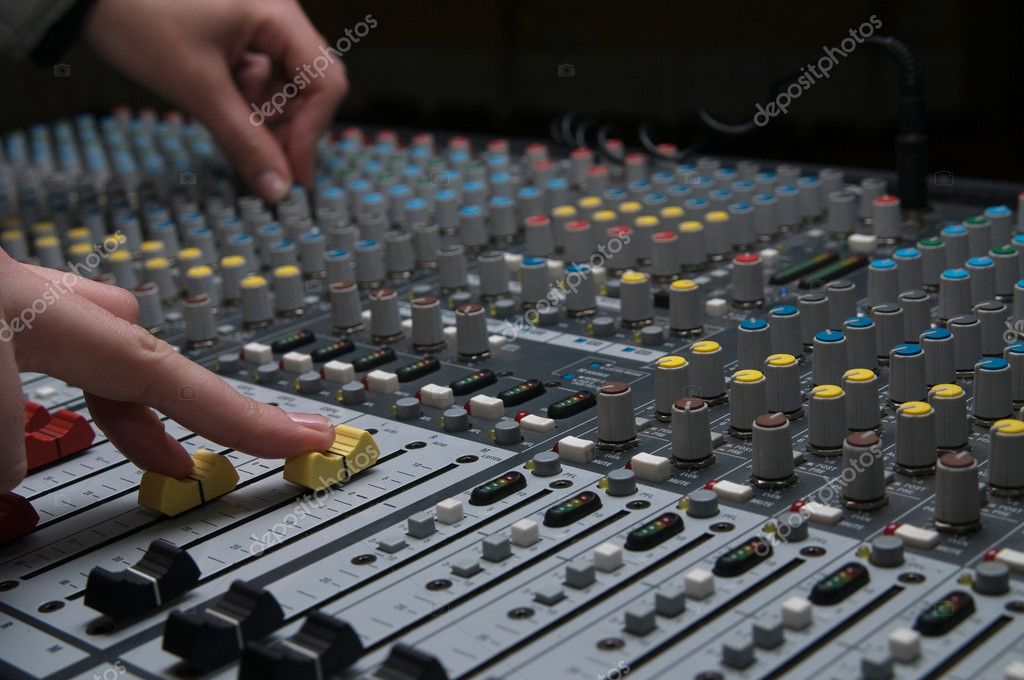
One key duty for a sound mixer would be to know sound, they need to be able to manipulate various audio levels throughout a broadcast so that some things are emphasised more then others. They also need to be understanding as to what can actually be done. Sound is something that is very fragile and only needs tiny changes. Of course a sounder mixer needs to know the types of equipment, some of course like cameras are more common then others but depending on the budget of the broadcast/program each job may be different.

Skills
- Whilst being creative and intiquetly manipulating the audio, it is not always the easist or best thing practically. A main skill for the sound mixer is to find the right balence in what is practical with the use of equipment and the creativity.
- Audio levels are a very technical thing to do and there needs to be goo communication skills with the presenters, director etc, to make sure that during the live broadcast everything can be heard clearly.
- Audio is very hard when trying to change it, and can often lead to problems, as the sound mixer they need to be very skilled in making fast changes to ensure that they can get the audio back or to come out clearer.
Qualification & Hierarchy
The qualifications needed for this job would be a higher level of education e.g. degree, but what was stressed was the need for experience in this job, so being around the job and working on a lot of different projects would help them to get the job.
The sound mixer is someone with a lot of experience, however they are still below the director and work closely with people such as the VT operator and vision mixer.
Vision Mixing

skills
- As a vision mixer to have excellent visual and aural awareness, combined with artistic and aesthetic abilities, the vision mixer needs to know what camera will look good at the right time, and to constantly build the skill of creativity and timing is key.
- To be good the job and have good problem solving is a key skill, as certain things may go wrong with the cameras, and to make decieve decisions along with the director is a vital skill so that the broadcast runs as smoothly as possible.
- For the vision mixwer to have good colour vision and detail is a key skill, as they are responsible for some of the colour correction which makes the show look more professional and smooth.
Qualifications & Hierarchy
To have a degree related to the media industry would be worth a lot when trying to apply for this job, It is a job that does seem to want the higher education as other jobs such as the camera operator do not seem to need such higher education.
In her,s of the hierarchy for the vision mixer they answer to the director mainly, and the vision mixer is more in charge of the camera operators to get the shot perfectly lined up.
Director

The main role for a director is to be able to put an idea/concept and not only visualise it but to produce physical content. The directors duty is to create the vision and what some may perceive as impossible to director does it. The second main duty for the director is to problem solve, to know when to use different techniques and other creative ideas if the first plan cant be done. Problems will constantly arise through a live broadcast and the director needs to be quick to overcome them. Lastly, as a director it is a key duty to make the content sell-able, perhaps the most creative idea would not make much profit, and ultimately that's the main job of the director is to produce content that will make money.
Skills
- Many of the crew will want to add a creative input in to the content, and as a director to have the skill to almost be a democracy with everyone is almost an invaluable characteristic to constantly try an improve on.
- As a director it is not only about how the content visually looks but also how fitting sounds and music are for certain segments of the program. To be decisive and knowledgeable about different styles would certainly make someone a better director.
- To have a methodical approach to work, along with a high stress tolerance and stamina is a major key to being a good director. They are responsible for everything which is a lot of pressure to handle, the day seems long as different crew members are constantly asking for your opinion which is stressful but the skill is to constantly be calm and on top of everything.
Qualifications & hierarchy
Qualifications to become a director are not specific, but a higher level of education eg degree is highly regarded when applying for the job. However a lot of the key duties are learnt in the job, so experience is vital to progress.
In terms of hierarchy as the director you are close to the top, of course the producers and the institution are above you. but the director is in charge of the camera operators, the set designers, vision & graphics designers etc. Whilst everyone has their individual sections the director has overall control.
Set Designer

Skills
- a key skill of the set designer is to be mindful of everyone else's job, the camera operators, lighting, etc, all have to work around your designs. So to be helpful and take in to consideration everyone else's needs is a key skill.
- Whilst being creative is a good skill to have, the set designer also needs to have a good understanding of structure when building their sets, the skill comes in the balance between creativity and practicality.
- A large skill to have as a set designer is to not only pay attention to the minor details but also to see the broader picture. Sometimes changing to many little things doesn't help the overall look, so just to step back and see everything clearly is a major skill to have.
Qualifications & Hierarchy
In terms of qualifications needed to become a set designer a degree in media or an art would be necessary. However set designers learn from experience and problem solving whilst in the job.
For a set designer the hierarchy would be to answer to the director and vision mixer, but to work closely with lighting, camera operators etc.
For a set designer the hierarchy would be to answer to the director and vision mixer, but to work closely with lighting, camera operators etc.
Lighting Desk
One key duty of a lighting manager would be to know what type of light and where the light should go, so that the presenters & guests look good on camera. They need to know how to create certain angles for the light to go in and also they have to think about the shadows that may be caused by on screen people. A further duty would be to receive a script and make things work, lighting is vital as to what detail the camera picks up, so they need to make a set look like what the director in-visions. Lastly the use of homemade props and accessories will need to be used, as sometimes the light needs to be in awkward positions, so creative ideas need to be implemented.

Skills
- The lighting job is something a little less creative and more logical, they need to be skilled in the positioning of the light and know how to solve any problems with shadows and dark spaces.
- A plan has to be in order for the lighting, there are a lot of different shapes and bulbs that could potentially be used and the skill comes when they can be decsisve as to what one works the best.
- Lights are very hot and heavy to work with, the job requires physical strength to constanly be moving the lights all day, as a skill, the person needs to be smart in the positioning and even the lifting of the lights.
Qualifications & Hierarchy
This job does not require any higher education qualifications but does specify the courses in lighting will be needed to perform the job.
The lighting manager works closely with the set designer, camera operators etc. Whilst the director, vision mixer are above them they still have to communicate well with others that make up the set. Floor Manager
 One key duty that a floor manager needs to have would include organisation loads of different guests, as to getting them to come on to the show and then the timing of the guests appearing on the show. The floor manager is responsible for dealing with a lot of the timing in the running order of the broadcast. Another key duty for the floor manager is to be decisive in the technical elements, a mic may fail or a wire may split, and the floor manager needs to work quickly to fix or work around any problems. The last duty for the floor m
Skills
- The first major skill as a floor manager would be good communication and interpersonal verbal skills. This would help to schedule the guests in for the programme as well as talking to the director for when the guests appear in the running order.
- Another main skill to have would just being calm and handle the stress of the job, much of the show is dependent on you and getting the guests to the broadcast. Also the floor manager has to deal with the camera operators, lighting, set designer etc, and get everything in place for the director.
- Lastly a good skill to have as a floor manager would be to multi-task and solve problems, whilst the floor manager is dealing with the guests and preparing them to go on, they also need to be listening to the director in case there are any changes they want to make, which the floor manager has to do.
Qualifications & Hierarchy
In terms of qualifications, it would be good to have gone through further education and have a degree in media or design. Whilst experience on the job is crucial, it is good to have an understanding of how everything works in a TV broadcast.
In terms of hierarchy the floor manager works closely with the set designer, camera operators, lighting etc. and has to listen to the director as they may want to make changes to the set.
Graphics Designer
 One key duty for a graphics generator would be to understand and produce graphics that specifically fit the brief giving to them. They need to be high quality and look very professional for the show, which would require the designer to sit in a studio for long periods of time and work hard on creating the graphic. Another key duty would be how they need to feel comfortable and confident with what they create as they need to be approved by the director first, to which they may be critical of your work. Lastly, the graphics designer would need to know a range of different software to create graphics on. The majority of institutions may have just one of all of the programs, but the graphics generator needs to be familiar with everything.
Skills
- Whilst the graphics designer needs to have good communication skills to interpret the briefs well, they also need to voice their ideas and concerns with specifications to the director, VT operator etc. Its up to the graphics designer to say something if the idea could be improved or even the time frame that they need.
- The skill of the job comes down to the smallest of details. To become a better Graphics designer to see a minor mistake and amend it or to go beyond the brief will only improve their skill in the job.
- Allowing other to be critical and want to change your work is something that will constantly happen in the job, but the skill is to be calm and open to the changes. Whether the changes make the work look better or not is ultimately not up to them, and the skill is in being restrained and happy to change it.
Qualifications & Hierarchy
In terms of the qualifications needed, a degree in media studies or something such as art would be very useful as it is a very creative & technical job.
As for the hierarchy the graphics designer has to listen to the director for a brief, and work with the VT operator and vision mixer.
As for the hierarchy the graphics designer has to listen to the director for a brief, and work with the VT operator and vision mixer.
VT Operator

Skills
- As a VT operator it is key that they have a good understanding of all of the post production equipment, of course this may be seen as a duty. however, the equipment is something they can learn and get better at, also it may also benefit them if they know different pieces of equipment not including their own.
- To have a good understanding of different media formats, as they need to be able to integrate the different types of files (pre-records) all in one live show. Learning the best way to convert the files or how to make them all work in one sequence smoothly is something that would only get better with experience.
- Problem solving and good IT skills would be a vital skill for the VT operator. The job is very technical and to be performed well their will be a lot of disturbances, to which it is their job to get all of the sequencing right for the broadcast.
Qualifications & Hierarchy
A degree in engineering or IT would defiantly be useful when performing this job, whilst it is not required it will certainly help.
Hierarchy, the VT operator works closely with the director and the vision mixer and like a presenter they don't really tell anyone what position things need to be in, as they are a more technical.
Presenter
 As a presenter one main key duty would be to handle a large amount of stress well and make quick decisive decisions, as when on air their might be some breaking news that as a presenter they need to deliver very abruptly and with very little detail as to what the whole story is. A further duty of a presenter would be to understand the actual production process, of course there are technical problems that could go wrong and as the presenter they are the only thing the audience can see and hear. So they need to be able to communicate well and effectively improvise well. Lastly of course it is vital that as a presenter they are up to date with current affairs and events, which will allow you to speak with confidence, and during breaking news the background knowledge they have will help with the speculation.
 Skills
- A key skill to have would be to have excellent written & oral communication and presentation skills. Of course a presenter needs to communicate with everyone, the audience that are watching and the crew that need to know your script. Mainly though to present themselves in a more serious, formal fashion is vital for the audience to see.
- One main skill for a presenter would be eye contact, when talking to the camera, the audience need to feel like the presenter is almost speaking directly to them. The presenter needs to be confident when delivering but it cant be over done, its a skill that needs to be subtle but perfected.
- Lastly a presenter must have research and interviewing skills, which are complemented by a formal, intellectual basis. The presenter needs to be skilled in answering the right questions to really unlock the vital pieces of information about a story, speculation is not enough, the presenter needs to get the real information out of the person.
Qualifications & Hierarchy
Whilst there are no specific qualifications needs most presenter do have some form of higher education e.g. a degree. Of course on the job training and learning the different types of skills are vital much like any job in the media industry, but the presenters are able to communicate constantly in the right tone.
the hierarchy for the presenter is difficult, they work closely with the director who would be above them, yet they do not specifically tell any one of importance what to do.

No comments:
Post a Comment